
Quick answer: After a hip fracture, the home setup should reduce unnecessary walking, support prescribed transfers, and make the bathroom safer. The exact device depends on the repair, weight-bearing order, balance, strength, cognition, caregiver help, and the home layout.
Falls are a major reason older adults enter the hospital. The CDC reports that more than one in four adults age 65 and older falls each year, with about 3 million emergency-department visits and about 1 million fall-related hospitalizations annually. Nearly 319,000 older adults are hospitalized for hip fractures, and the CDC reports that 88% of hip-fracture emergency visits and hospitalizations in 2019 were caused by falls.
Sources: CDC older-adult falls facts; MedlinePlus hip-fracture discharge guidance.
Questions to answer before discharge
- How much weight may be placed on the injured leg?
- Which walker or other device was used successfully in therapy?
- Is one-person help required for bed, chair, toilet, or shower transfers?
- Can stairs be avoided at first?
- What wound, pain, breathing, or leg symptoms require an urgent call?
A caregiver should not improvise a lift. Ask the physical or occupational therapist to demonstrate the transfer, then have the caregiver repeat it before discharge.
Equipment set to compare
This list supports a discussion with the care team; it is not a prescription.
1. Walker with sit-to-stand handles

Recommended equipment
Lumex UpRise Onyx Folding Walker
View product details →
For someone who was trained on a walker and has difficulty rising, the UpRise Onyx folding walker includes lower handles intended to assist the transition from sitting to standing. It is rated to 400 pounds. The therapist must confirm whether this design matches the person’s restrictions and safe technique.
View the UpRise Onyx folding walker
2. 3-in-1 bedside commode
Recommended equipment
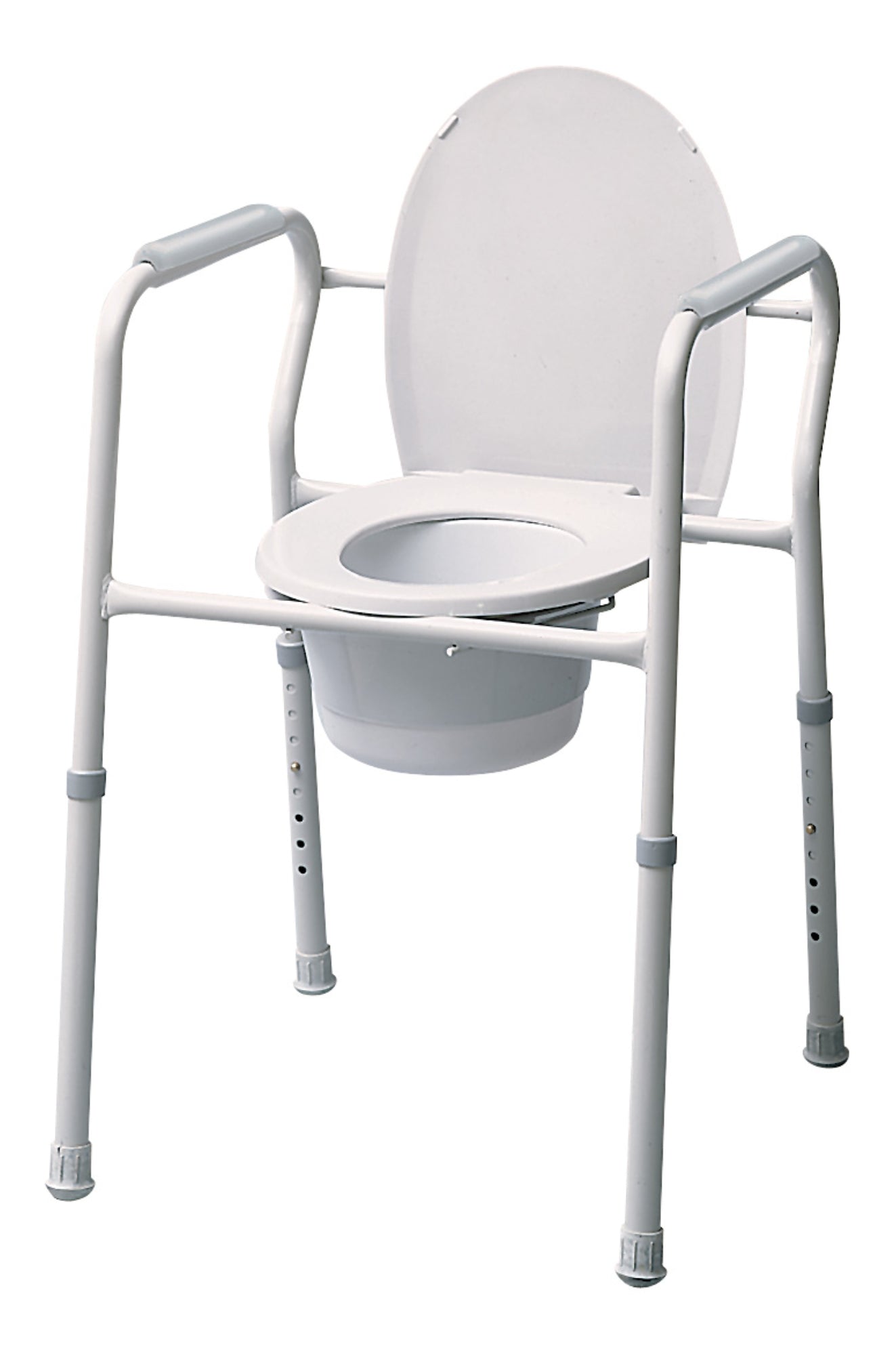
Silver Collection 3-in-1 Steel Commode
View product details →
A commode placed near the bed can reduce nighttime distance and can also serve as a raised toilet seat or safety frame. This model adjusts from 15.5 to 23.5 inches and is rated to 300 pounds. Position it on a level surface with a clear route and confirm transfer technique with the care team.
3. Tub transfer bench
Recommended equipment
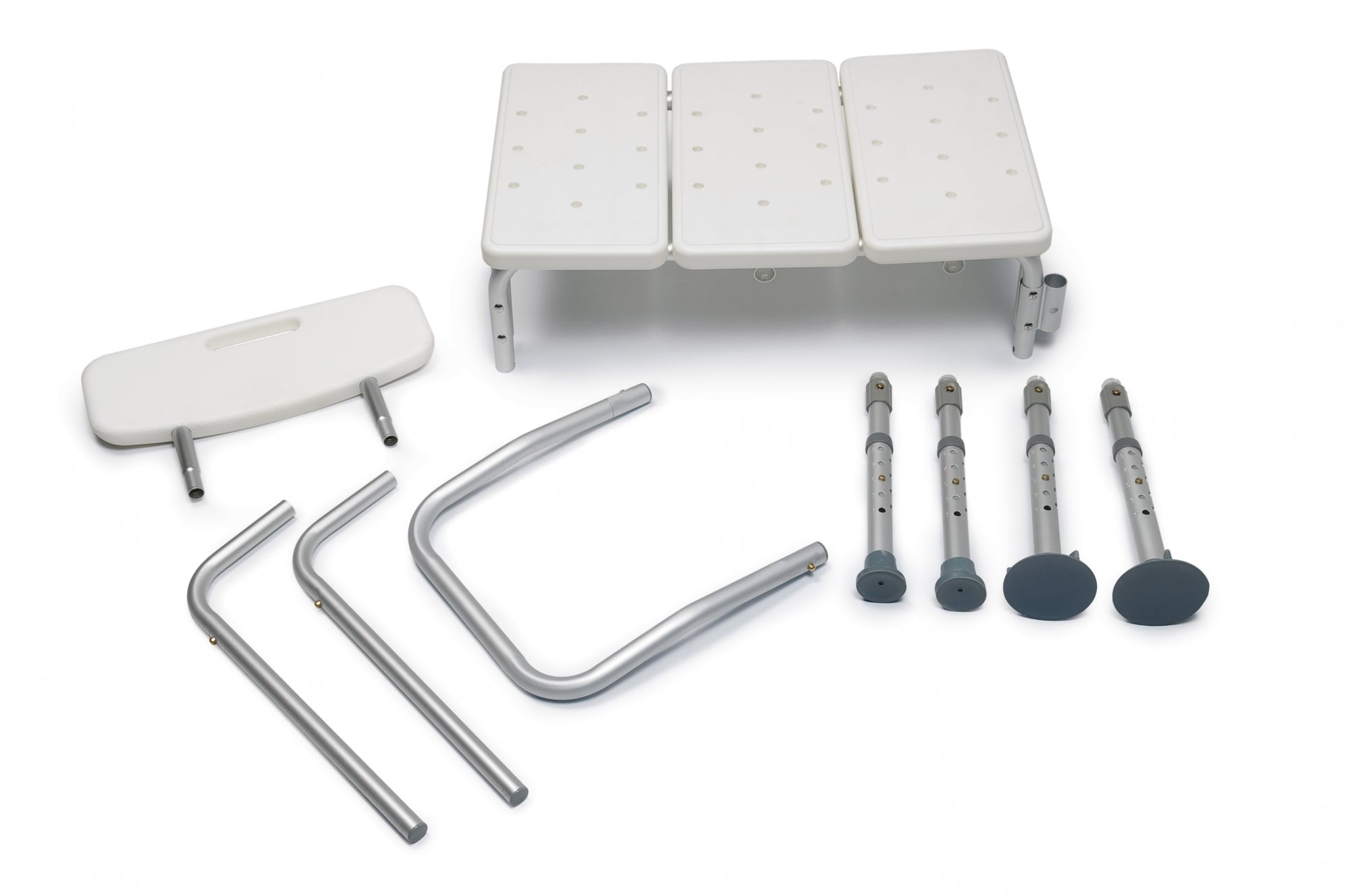
Graham-Field Knock Down Transfer Bench
View product details →
A transfer bench can reduce the need to step over a tub wall. The Knock-Down Transfer Bench is rated to 350 pounds. Measure the tub, wall, door clearance, and bathroom space; ask which direction the person should enter and whether caregiver assistance is required.
4. Grab bars and non-slip bathing surface
Recommended equipment
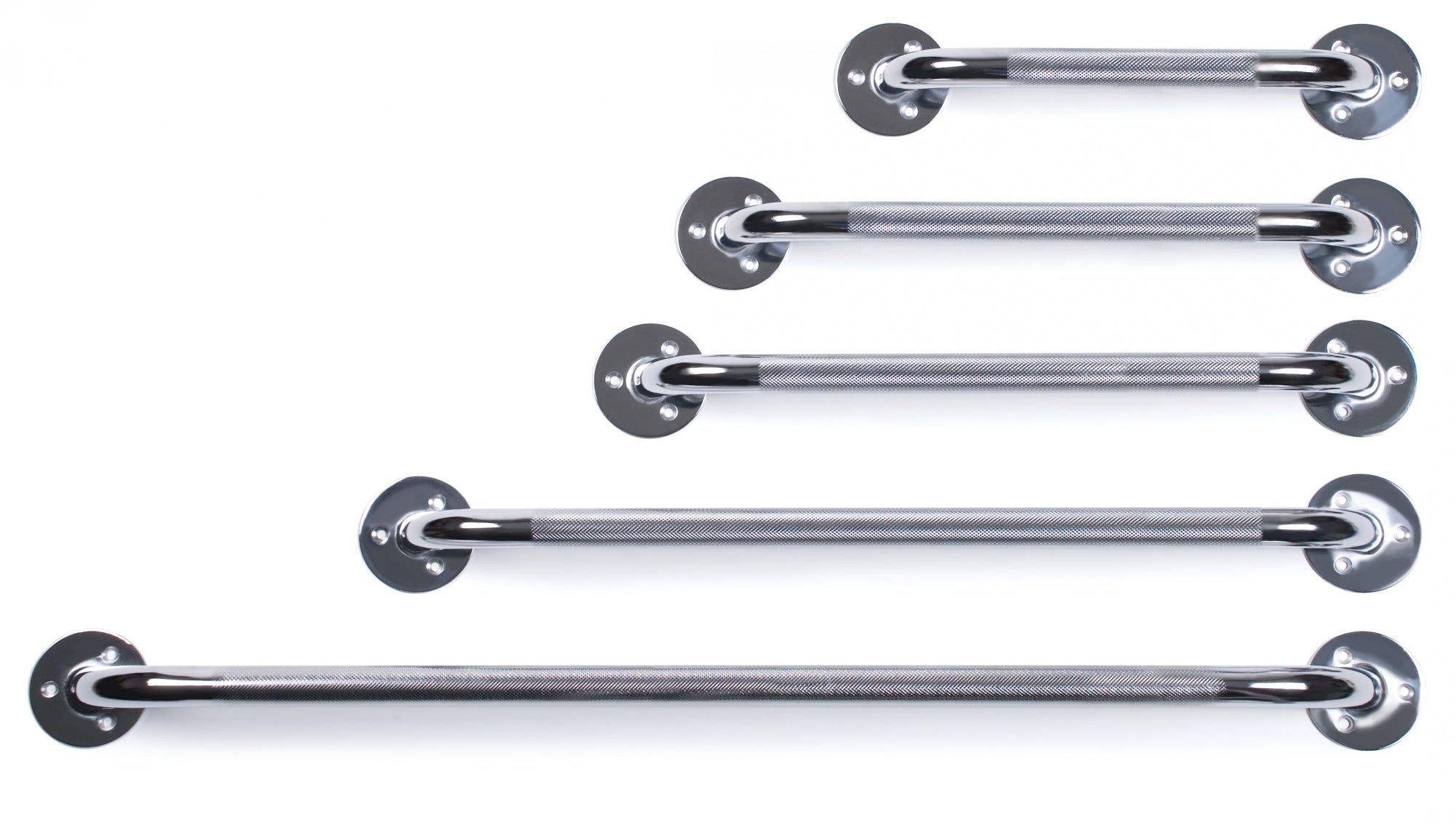
Graham-Field Grab Bars
View product details →
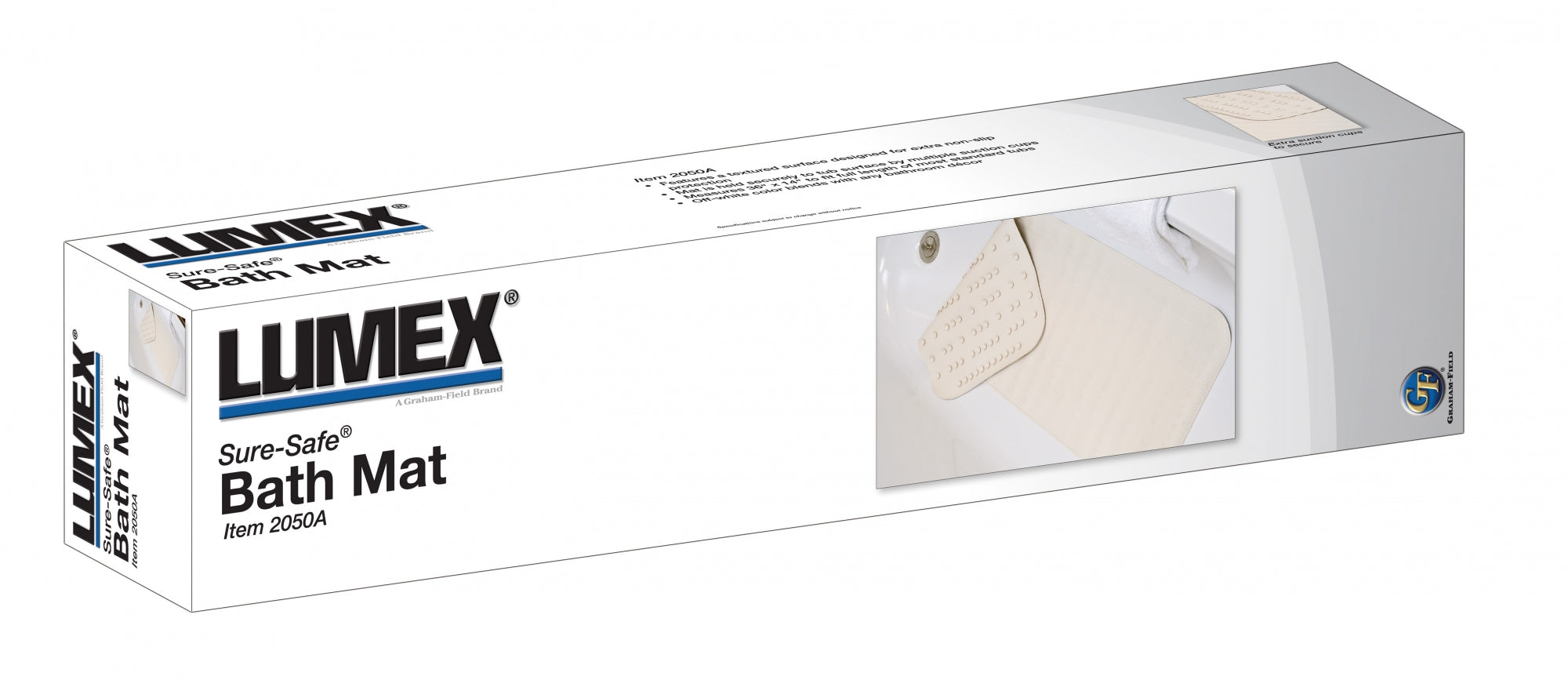
Graham-Field Sure-Safe Bath Mat
View product details →
Fixed grab bars are more reliable than towel racks. The listed grab bars are rated to 250 pounds with an evenly distributed load when installed correctly. A non-slip mat may help in a suitable tub or shower, but it does not replace supervision or a correctly installed handhold.
View grab bars · View the Sure-Safe bath mat
5. Transport chair for caregiver-assisted distances
Recommended equipment
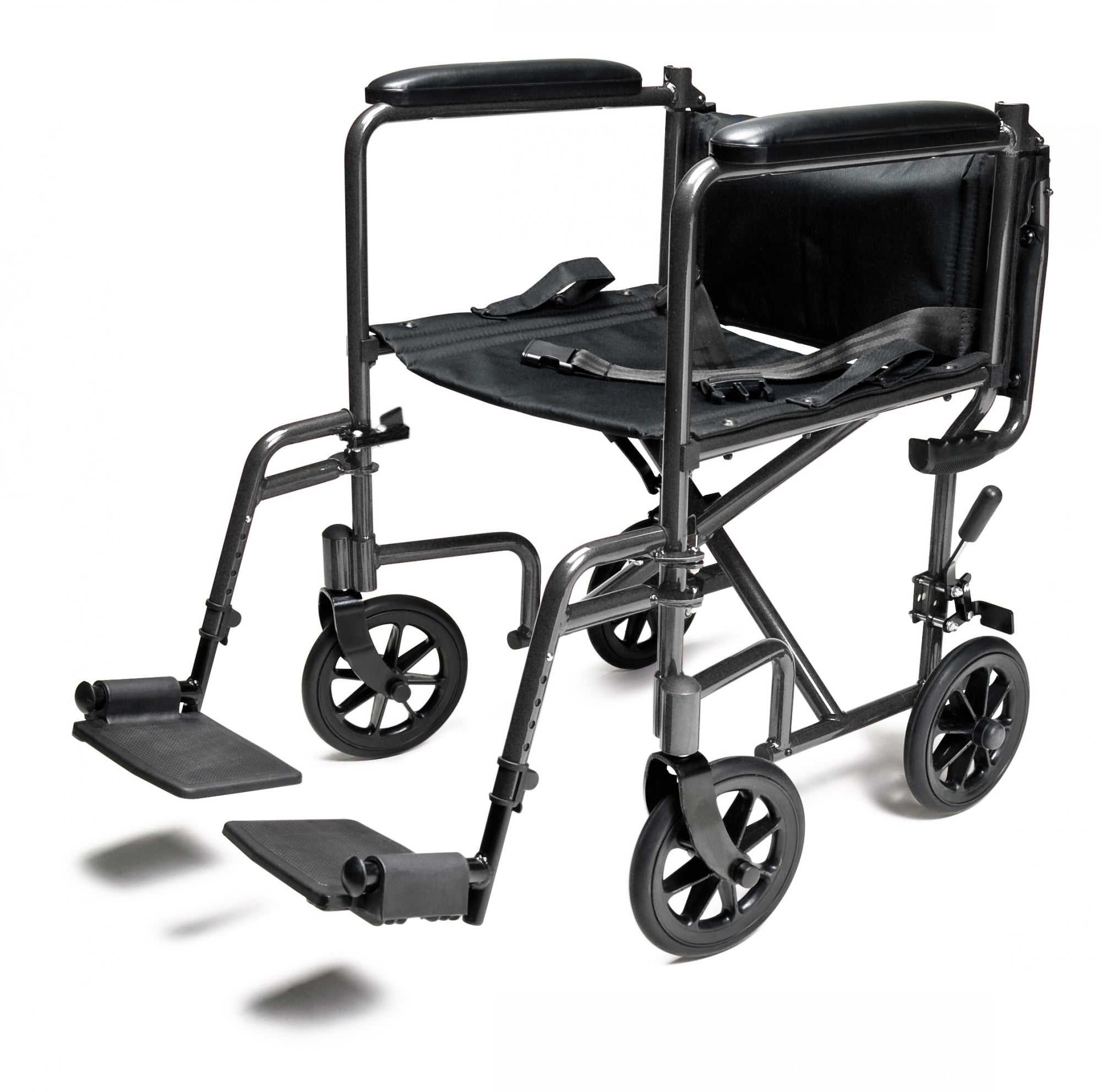
Everest & Jennings Steel Transport Chair
View product details →
A transport chair may be useful for appointments or distances the person cannot safely walk. The Steel Transport Chair is designed to be pushed by a companion; it is not a self-propelled wheelchair. Confirm seating, weight capacity, transfer safety, and caregiver ability before choosing it.
View the steel transport chair
A simple first-floor setup
- Create a wide, well-lit route from bed to bathroom.
- Remove loose rugs, cords, clutter, and unstable furniture.
- Keep a phone, medications, water, and discharge instructions within reach.
- Use a firm chair with arms and avoid low, soft seating.
- Keep mobility devices within reach without blocking transfers.
The CDC also recommends reviewing medications, checking vision and feet, improving lighting, adding grab bars, and doing appropriate strength and balance work with a health professional.
When to get help
Follow the discharge instructions. Contact the surgical team for increasing wound redness or drainage, fever, pain that is getting worse, new leg swelling, a new fall, or a sudden drop in function. Call 911 for chest pain, trouble breathing, signs of stroke, or another medical emergency.
Payment and delivery notes
Medicare Part B may cover prescribed durable medical equipment that meets its rules when provided by a Medicare-enrolled supplier. Home Medical Depot does not bill Medicare or private insurance. Check plan requirements, delivery timing, product fit, and current return terms before ordering—especially for hygiene-sensitive bathroom products.
Researching bed models for your home setup? Browse our hospital beds for home to compare dimensions, features, and listed components.
Sources
- CDC: Older Adult Falls Data and Facts
- CDC: Preventing Falls
- MedlinePlus: Hip fracture discharge
- AHRQ: 2023 National Healthcare Quality and Disparities Report
- Medicare: DME coverage
This guide is educational and does not replace individualized medical advice. Product availability, specifications, prices, shipping, and return terms can change.